
Regulation · Evidence
VR therapy and the FDA: what has actually been cleared, and what it means for rehabilitation
In five years, virtual reality moved from a research tool to a prescribed medical device for chronic pain, lazy eye and children's needle procedures. Here is every milestone, the pathway behind it, and the lessons for anyone building or buying VR for rehabilitation.
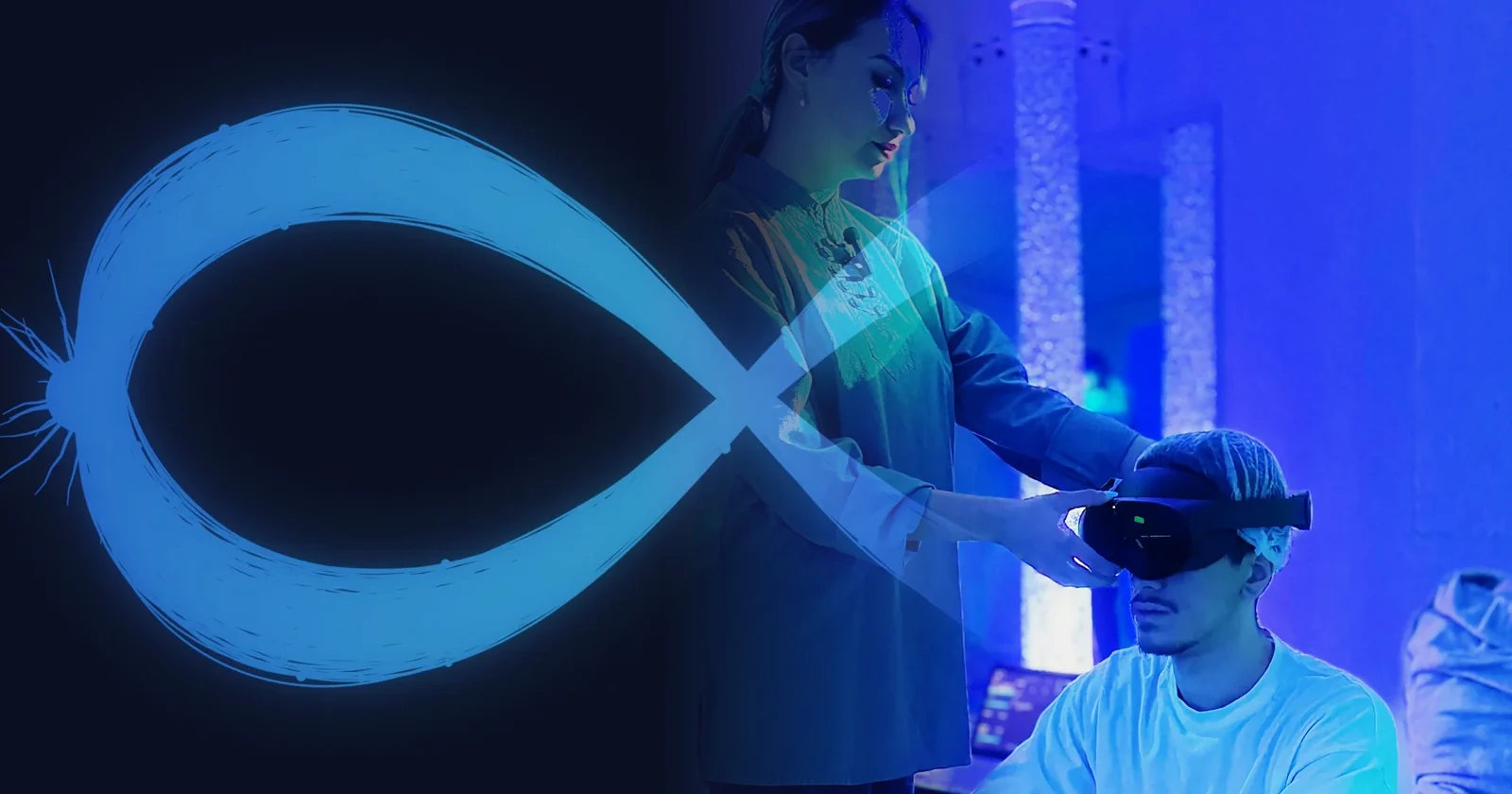
Why VR became medicine
Virtual reality does something no screen can: it replaces the patient's surroundings. That single property explains almost every therapeutic use the FDA has reviewed so far.
- Attention. An immersive world competes with pain signals for the brain's limited attention. This is the basis of VR for procedural pain.
- Skills practice. Breathing, relaxation and cognitive behavioral techniques can be taught inside a calm, guided environment, and repeated at home.
- Dosed, repeatable exercise. Movements and tasks can be graded in difficulty and repeated hundreds of times, which is what recovery after stroke and brain injury needs.
- Measurement. A headset tracks every movement and response. Therapy becomes a source of data, not only a service.
Regulators care about one question above all: does the device do what its label says, safely, for the people it is meant for? The answer has to be specific. That is why every VR clearance so far is narrow: one condition, one age group, one setting.
Cleared, granted, approved: the words matter
The FDA sorts medical devices into three risk classes and offers three main routes to the U.S. market. Using the wrong word is not a style issue. Calling a cleared device "FDA approved" misstates its status.
510(k)
Cleared
The device is shown to be "substantially equivalent" to one already on the market, called the predicate. Most Class II devices take this route.
VR examples: MindMotion, the REAL System, Smileyscope, VRNT, newer RelieVRx versions.
De Novo
Granted
For a new type of low-to-moderate-risk device with no predicate. The decision creates a new classification with "special controls" that later devices must meet.
VR examples: EaseVRx for chronic back pain and Luminopia for amblyopia, both in 2021.
PMA
Approved
The most demanding route, for high-risk Class III devices. The company must prove safety and effectiveness with its own clinical evidence.
None of the VR therapies covered in this guide went through a PMA.
Two more terms often cause confusion:
- Breakthrough Device designation is a faster, more interactive review process for promising technologies. It is not a marketing authorization. EaseVRx received it in 2020, a year before its De Novo grant. Floreo, a VR program for social and behavioral skills in autism, also holds the designation.
- "FDA registered" usually means the company registered its establishment and listed its product. That is an administrative step. It is not a review of safety or effectiveness.
Every milestone, 2017 to 2025
The path from rehabilitation tools to prescribed therapies, in the order it happened.
- MindMotion PROMindMaze · 510(k)
Immersive upper-limb neurorehabilitation for early care in the hospital.
- MindMotion GOMindMaze · 510(k) K173931
Motor rehabilitation for adults with mild to moderate neurological impairment, in the clinic and at home.
- REAL Immersive SystemPenumbra · 510(k) K183296
Seated upper-extremity rehabilitation exercises in clinics, under a trained professional's supervision.
- LuminopiaLuminopia · De Novo
The first VR therapy for amblyopia, for children aged 4 to 7. It created a new device type for digital amblyopia therapy.
- EaseVRx, later RelieVRxAppliedVR · De Novo DEN210014
The first VR therapy for chronic low back pain. It created a new device type: 21 CFR 890.5800, "virtual reality behavioral therapy device for pain relief."
- HCPCS code E1905CMS
The first billing code for a VR therapy, describing a "virtual reality cognitive behavior therapy device."
- SmileyscopeSmileyscope · 510(k) K230825
Pain and anxiety relief during needle procedures for children aged 4 to 11, with EaseVRx as the predicate.
- VRNTCognifiSense · 510(k) K230814
A second home VR therapy for chronic low back pain, under the same new classification.
- First Digital Health Advisory CommitteeFDA
The FDA's new expert panel met for the first time, on generative AI in medical devices.
- RelieVRx on a new headsetAppliedVR · 510(k) K243417
A hardware and software update cleared by comparing it with the original device.
- Luminopia, ages 8 to 12Luminopia · 510(k)
The label was extended to older children, based on real-world evidence from the company's patient registry.
- Cochrane review update190 trials · 7,188 people
The largest synthesis of VR for stroke rehabilitation to date.
- 92 AR and VR devicesFDA list
The FDA's public list of AR and VR medical devices reached 92 entries.
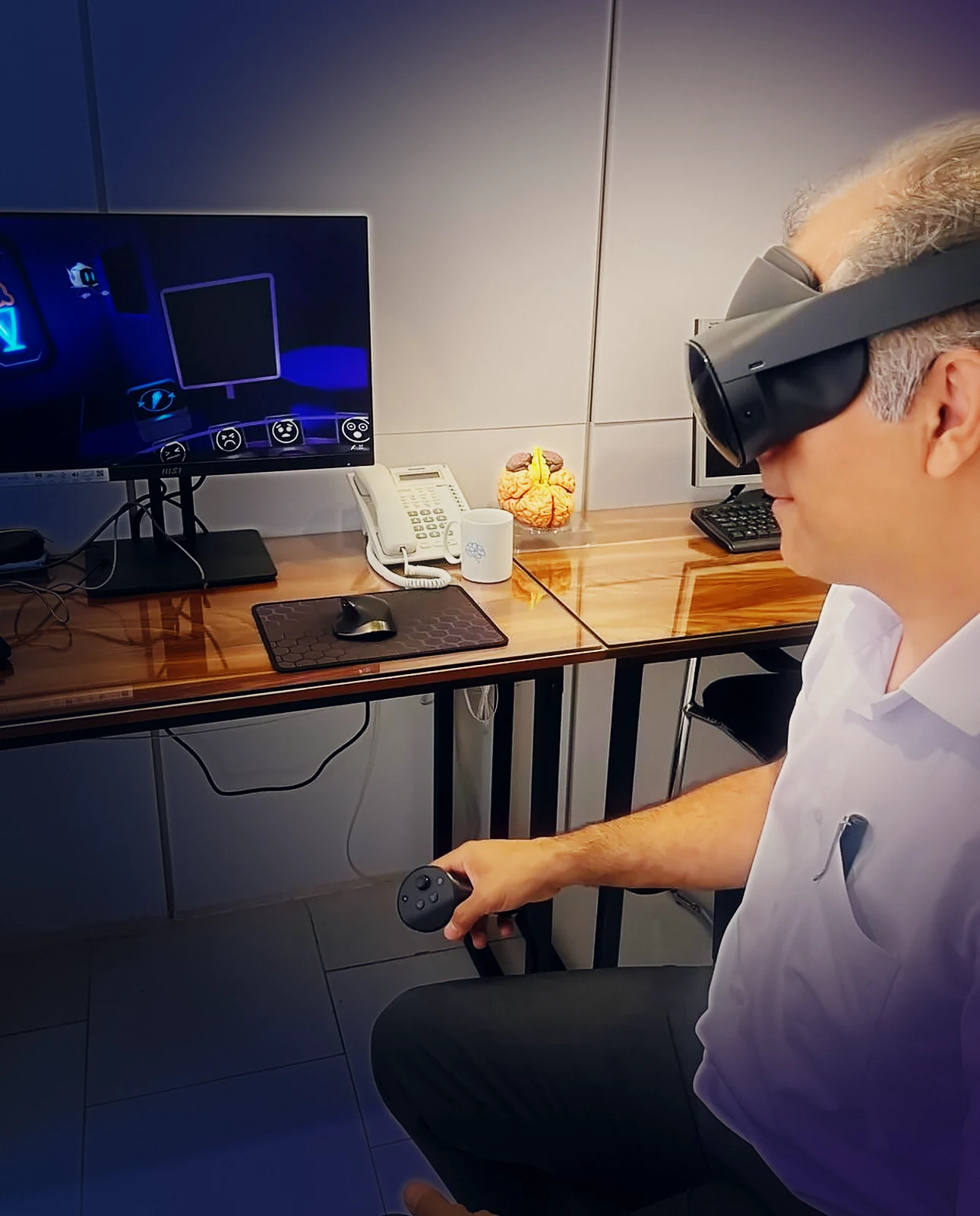
The devices, one by one
Chronic painRelieVRx (formerly EaseVRx), AppliedVR
An eight-week, at-home program of short daily sessions that teach pain-management skills based on cognitive behavioral therapy, for adults with chronic low back pain. It is prescription-only and used alongside other care.
In the pivotal randomized, double-blind trial of 179 adults, 66% of people using the VR program reported more than a 30% reduction in pain at the end of treatment, compared with 41% in the control group. No serious adverse events were reported. About one in five participants reported headset discomfort, and close to one in ten reported motion sickness or nausea.
The FDA placed it in Class II with special controls: clinical performance testing that validates the behavioral therapy as the device delivers it, plus an evaluation of all adverse events. That rule now applies to every VR pain-relief device that follows.
Chronic painVRNT, CognifiSense
Cleared in October 2023 for the same population: adults with moderate to severe chronic low back pain lasting more than three months, at home, to reduce pain and pain interference. It shows how a De Novo grant opens the door for competitors.
Pediatric proceduresSmileyscope
For children aged 4 to 11 during needle procedures such as blood draws, IV placement and vaccinations. Its "procedural choreography" matches what the child sees in VR to what happens to their body, so the needle itself becomes a friendly fish in the virtual world. It is cleared to temporarily reduce pain and procedural anxiety, and it is explicitly not intended to treat anxiety disorders or needle phobia.
VisionLuminopia
Children with amblyopia ("lazy eye") watch TV shows in a headset for one hour a day, six days a week. The software adjusts the image for each eye so that both eyes have to work together. It is used together with glasses. It was granted in October 2021 for ages 4 to 7 after a randomized trial of 105 children, and extended to ages 8 to 12 in April 2025.
NeurorehabilitationMindMotion PRO and GO, MindMaze
Among the earliest VR rehabilitation devices on the U.S. market. Both are Class II "interactive rehabilitation exercise devices" cleared through 510(k). PRO targets severe impairment and early hospital care. GO, cleared in 2018, supports adults with mild to moderate impairment, with real-time feedback that helps therapists adjust the program.
NeurorehabilitationREAL Immersive System, Penumbra
Cleared in 2019 for upper-extremity rehabilitation exercises in adults, done seated in a clinic under a trained professional's supervision. Its clearance rested mainly on non-clinical testing, with MindMotion PRO as the predicate.
A pattern worth noticing: the rehabilitation devices were cleared as exercise and measurement tools through 510(k), largely on engineering evidence. The pain and vision therapies made therapeutic claims, so they needed new classifications backed by randomized trials.
What the evidence says
Regulatory decisions cover single products. The wider question is whether VR rehabilitation works as a category. For stroke, the clearest answer comes from the Cochrane review updated in June 2025. It pooled 190 randomized trials with 7,188 adults after stroke.
- Used instead of another therapy, VR gave a slight improvement in arm function (low-certainty evidence).
- Used in addition to usual care, so that patients got more total therapy time, the benefit roughly doubled (moderate-certainty evidence).
- Balance improved slightly. Effects on walking, participation and quality of life remain uncertain.
- No serious adverse effects were reported. A few participants had mild pain, headache or dizziness.
The message for clinics is practical. VR earns its place by adding high-quality practice time that a therapist alone cannot provide, not by replacing the therapist. Critics also note that many trials were small and used basic, low-cost systems. Better-designed, well-measured studies are still needed, and that is an opportunity.
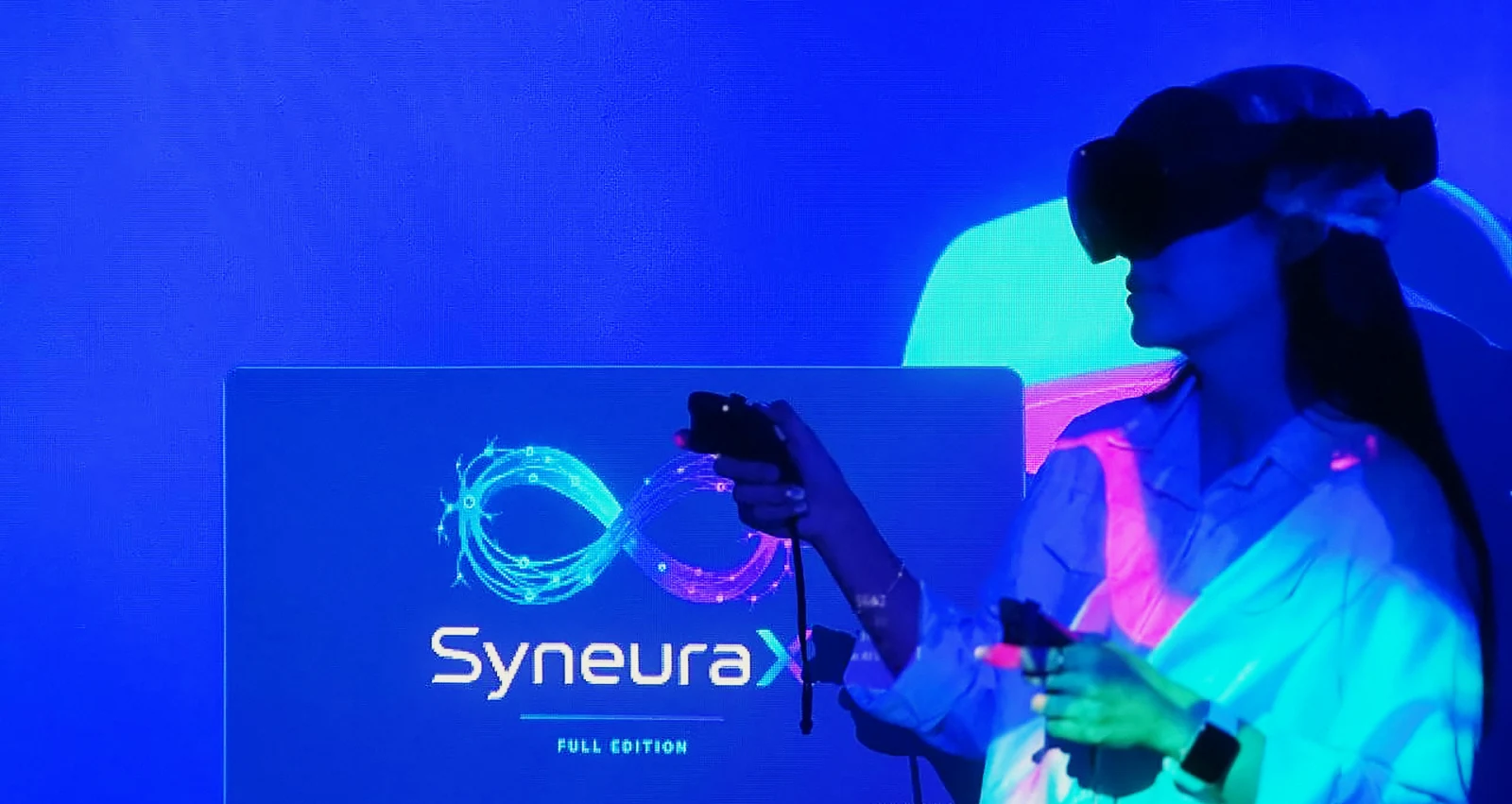
Clearance is not payment
An FDA decision lets a device be sold. It does not make anyone pay for it. In April 2023, the U.S. Centers for Medicare & Medicaid Services created HCPCS code E1905 for RelieVRx: the first billing code for a VR therapy, placed in the durable medical equipment benefit category.
Even then, CMS did not set a national price or mandate coverage. Regional Medicare contractors decide claim by claim. The lesson for every VR company: plan the evidence for payers as early as the evidence for regulators. Payers ask a different question. Not "is it safe and effective?" but "is it worth paying for, compared with what we already pay for?"
VR meets AI: the next regulatory frontier
The next generation of VR therapy will adapt to each patient in real time, and some of it will talk back. Regulators are preparing. In November 2024, the FDA's new Digital Health Advisory Committee held its first meeting, on generative AI in medical devices. In November 2025 it met again, this time on generative AI in digital mental health devices. By then the FDA had authorized more than 1,200 AI-enabled devices, and none of them used generative AI for mental health conditions.
Two themes run through the discussion and matter for VR: how to evaluate a system that changes as it learns, and how to monitor it after launch. Products that already capture rich, structured outcome data from every session start with a large advantage.
Eight lessons for rehabilitation
- The indication is the product. Condition, age range, setting and whether the device is adjunctive are all written into the label. Every clearance above is specific.
- Adjunctive beats replacement. Most VR therapies are cleared as an add-on to standard care, which matches the stroke evidence.
- Therapeutic claims need trials. Exercise and measurement tools were cleared largely on engineering evidence. Claims to reduce pain or improve vision required randomized trials.
- Adverse events are part of the evidence. Headset discomfort and motion sickness are measured and reported, not ignored.
- First movers set the rules. A De Novo grant creates special controls that every follower must meet, and makes the follower's 510(k) faster.
- Real-world data can grow a label. Luminopia's 2025 expansion used registry evidence from everyday use.
- Hardware is part of the device. Moving to a new headset meant a new submission for RelieVRx.
- Payment is a separate project. A billing code took more than a year after authorization, and it still did not set a price.
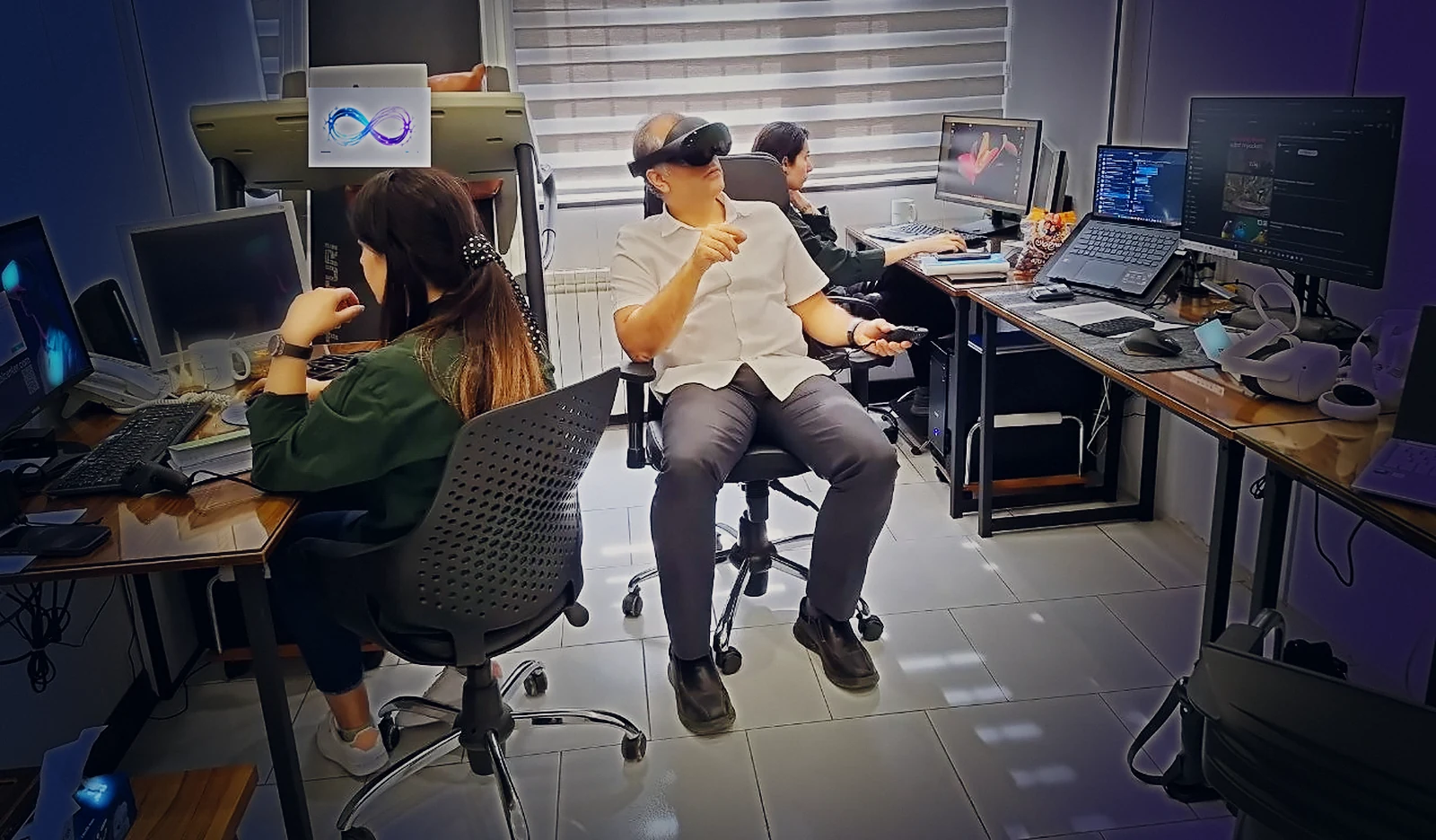
A checklist for clinics evaluating VR
- Ask for the exact regulatory status in your country and, for the U.S., the 510(k) or De Novo number. Then look it up in the FDA's public database.
- Read the indication: does it cover your patients, their age and your setting (clinic or home)?
- Ask what outcomes the system measures, and whether you can see and export them for your own records.
- Check where patient data is stored and who can access it.
- Ask how the system handles cybersickness, seated use and wheelchair users.
- Plan how VR will add practice time, not just replace existing therapy.
Where SyneuraX stands
SyneuraX is a rehabilitation-assist platform, not a treatment method, and it does not hold an FDA clearance today. Nothing in this article should be read as a claim that it does.
What the regulatory record teaches is clear, and it shaped how we built the platform: a defined clinical use, a therapist in the room, measurable outcomes and data that stays inside the clinic. SyneuraX turns every session into 113 clinical measures across 9 cognitive domains, alongside motion metrics such as speed, smoothness and range. That is the foundation that rigorous clinical evaluation is built on.
Sources
- U.S. FDA: Augmented Reality and Virtual Reality in Medical Devices
- U.S. FDA (2021): FDA authorizes marketing of virtual reality system for chronic pain reduction
- MobiHealthNews (2021): AppliedVR's EaseVRx scores FDA De Novo for chronic lower back pain
- Nextgov (2023): FDA final rule classifying VR therapy device for pain relief
- U.S. FDA: 510(k) K243417, RelieVRx
- MobiHealthNews (2021): Luminopia scores FDA De Novo for VR treatment for lazy eye
- Healio (2025): FDA clears Luminopia for amblyopia in children aged 8 to 12
- U.S. FDA: 510(k) K230825, Smileyscope System (Therapy Mode)
- U.S. FDA: 510(k) K230814, VRNT
- U.S. FDA: 510(k) K173931, MindMotion GO
- U.S. FDA: 510(k) K183296, REAL Immersive System
- DLA Piper (2023): CMS issues first HCPCS code and Medicare DME benefit category determination for a VR device
- Laver KE et al. Virtual reality for stroke rehabilitation. Cochrane Database of Systematic Reviews, 2025
- U.S. FDA: November 20 to 21, 2024 Digital Health Advisory Committee meeting
- Psychiatric Times (2025): FDA committee meets on generative AI digital mental health devices
- FDA Law Blog (2025): FDA's latest lists for digital health technologies
- Fierce Healthcare: Floreo receives FDA Breakthrough Device designation for its VR software
This article is for general information. It is not medical, legal or regulatory advice. Device status changes over time: always confirm the current status in the FDA's public databases. Product names are trademarks of their owners, and SyneuraX is not affiliated with any company named here.